

Turning pride into prosperity: How the Queer & Allied Chamber of Commerce Africa is scaling the pink economy
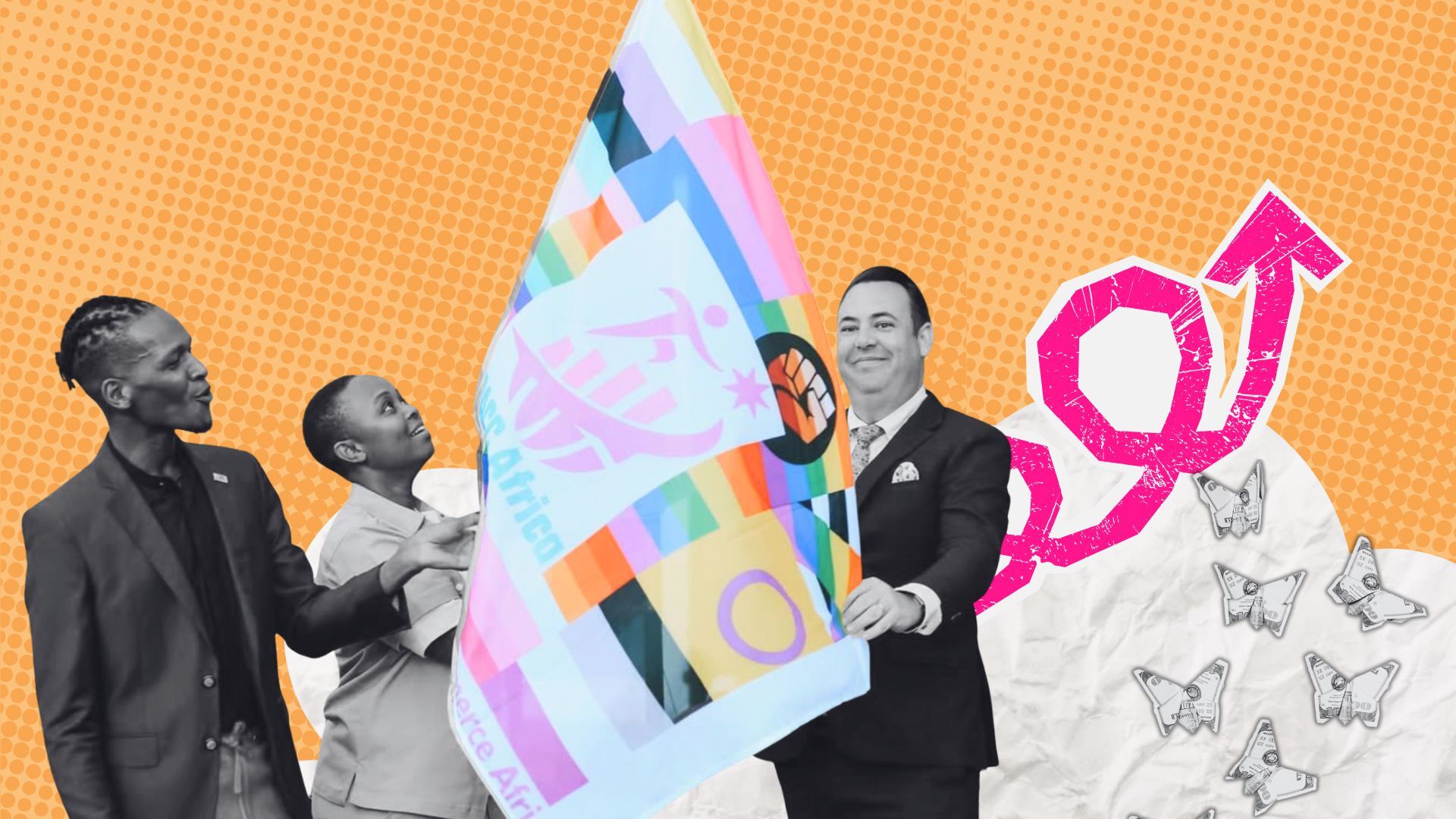
Africa’s pink economy is open for business—the Queer and Allied Chamber of Commerce of Africa (QACC) is making sure of it.
As the continent’s first chamber of commerce dedicated to LGBTQIA+ enterprises, QACC is a trailblazer. It has been advocating for queer economic inclusion, incubating business ventures, building the investment field and nurturing networks of queer entrepreneurs since it was launched in Kenya in 2021. Today, the team’s innovative approach is scaling the estimated US$155 billion of Africa’s gross domestic product that is generated by queer business owners each year.2
Chris Njeri Muriithi, QACC co-founder and Director of Training, Advocacy and Engagement, knows firsthand what it’s like to be a boldly, authentically out queer entrepreneur.
“I remember going to my bank and asking for a loan to be able to grow my events company, which was doing extremely well,” says Chris. “But I always used to fail when it came to the due diligence part because I am out in my country.”
The Kenyan Penal Code makes homosexuality illegal, punishable by up to 14 years in prison. This leads society and institutions, like banks, to discriminate against queer people.
“This was the case that pushed me into thinking of how I can support my community to access funds to grow their businesses without having to deal with the hate and outright discrimination from financial institutions. That is why we built the Pride and Prosperity Fund.” (More on that fund later!)
Africa’s LGBTQIA+ policies are the harshest in the world. Roughly half of its 54 states criminalize homosexuality and transgender individuals (sometimes punishable by death in Uganda). This context frequently makes it difficult for gay, trans and non-binary individuals, like Chris, to access credit—even when their financial history is solid.
As a result, many entrepreneurs struggle to establish themselves and build their income sustainably. So, QACC’s work is a literal lifeline—especially at a time when well-funded transnational anti-gay and anti-gender movements are gaining political ground.
But, as bridge-builders, advocates, and providers of capital, QACC is nurturing an entire ecosystem of commercial relationships and supply-chains between queer owned and/or operated businesses, entrepreneurs and their allies. This translates into safe and trusted suppliers, partners and support.
The result? Sustainable livelihoods and self-determination for queer communities across Africa.
A model that finds and fixes the gaps holding back the pink economy
%2c%20Rodney%20Otieno%20(middle)%20and%20Chris%20(right).jpg?width=1920&height=1080&name=QACC%20co-founders%20Adam%20Sargeant%20(left)%2c%20Rodney%20Otieno%20(middle)%20and%20Chris%20(right).jpg)
QACC co-founders Adam Sargeant (left), Rodney Otieno (middle) and Chris (right)
When Chris shared their experiences with two friends (openly queer people running a restaurant), they realized that they all faced three major obstacles:
- Difficulty accessing capital from banks and micro finance organizations;
- Challenging or harmful work with homophobic suppliers; and
- A very limited customer base.
The friends—Chris, along with Rodney Otieno and Adam Sargeant—founded QACC and raised US$515,000 in start-up capital from five funders.
It takes people a while to understand what you're trying to do when your operating model isn’t traditional, Chris tells us. Maybe even a few years. “We’ve had to get comfortable with that. But when someone gets it, they get it. Make sure you always document the results,” they advise, because mapping your impact does a lot to speed up the process.
QACC, for instance, has had potential funders turn them down initially; but, two years later, after seeing concrete results, those funders want to have a conversation.
This kind of patience and determination is essential when dealing with systemic exclusion and rich opportunities. If the global queer community were a country, its purchasing power would be equal to the third-largest country in the world, right behind the United States and China.
But, as it stands, discrimination costs the Kenyan economy 1.3 billion Kenya shillings each year, due to costs related to poor health outcomes, a dampening effect on tourism and lost productivity. Underemployment and wage discrimination are other factors in places such as South Africa, too.
By bringing together queer businesses, suppliers and funders, QACC is leveraging solidarity to flip the script on exclusion and shift the market.
Dignity, not dependency: Accessible finance for queer entrepreneurs
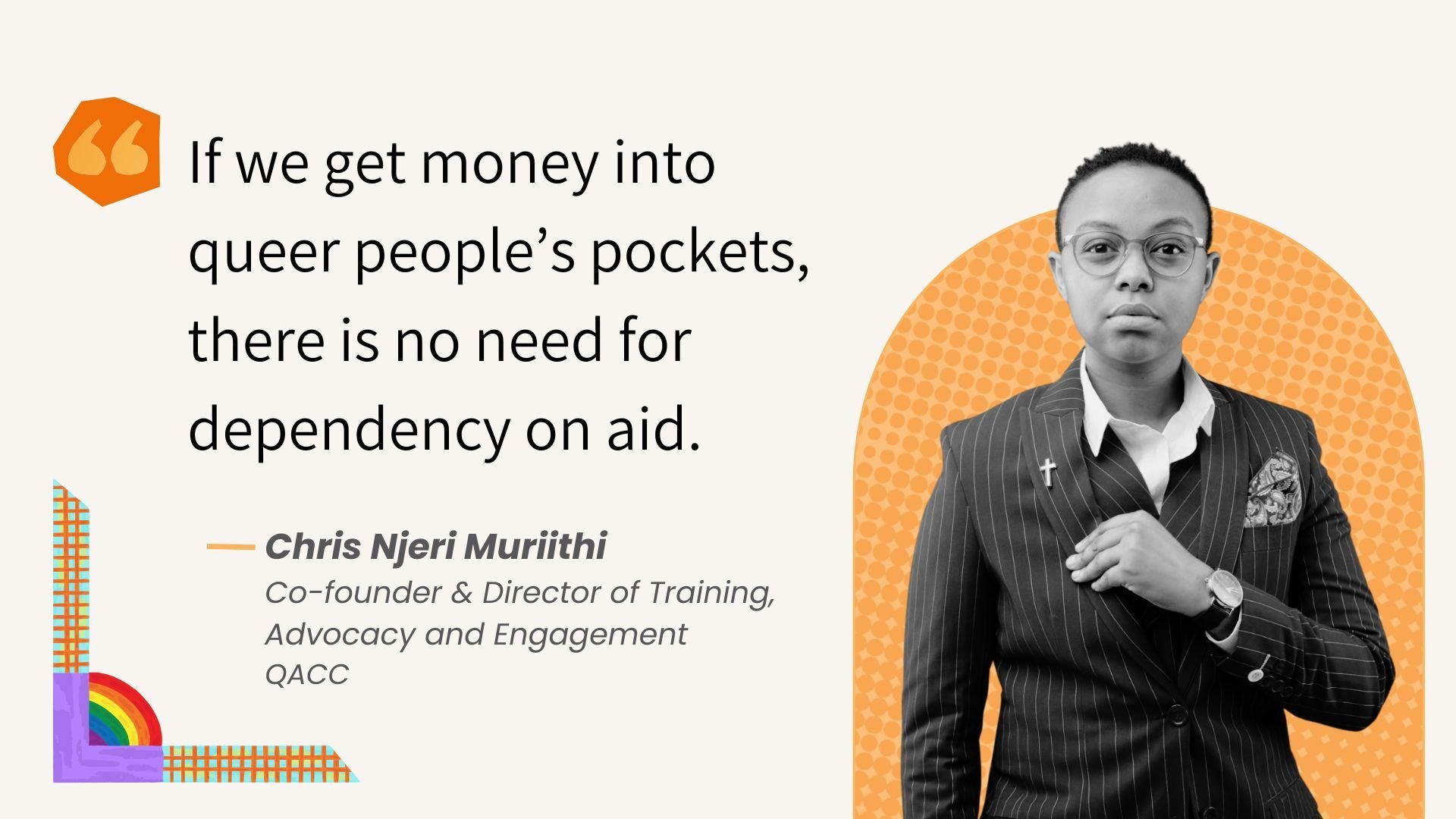
Today, with a membership of 2,200 businesses across three countries, QACC is growing at an impressive rate.
Members receive access to training, mentorship, capacity development, and support for mental health, security and safety. They can also participate in employee referral services and a pan-African platform for supply-chain collaboration.
%20and%20South%20Africa%20(500).png?width=703&height=396&name=The%20number%20of%20QACC%20registrations%20in%20Kenya%20(1500+%2c%20Uganda(700)%20and%20South%20Africa%20(500).png)
The majority of the start-up capital QACC raised has gone into concessionary finance in the form of loans and grants. To date, the organization has disbursed:
- Business loans: 10 US$90,000 business loans, which have a (fantastic) 90% repayment rate.
- Microfinance: 100 micro grants of US$10,000 for entrepreneurs who complete a personal capacity assessment.
- Vending grants: 120 grants of $12,000 for access to space to sell their goods/services.
For example, Lucy3, a fashion retailer QACC supported, had developed a beautiful product line but found it difficult to access the market. By engaging with QACC events and leveraging its ecosystem, she was able to find new clients for her brand. She boosted sales and now Lucy is mentoring other queer designers.
There's no one-size-fits-all way to be a member either. William,4 a lawyer who owned his own law firm, but was not out, was still able to participate in QACC’s supply chain recommendation platform, offering queer business owners a safe source of legal advice.
“We don’t care if you're out or not, just live your life as you want to live it,” says Chris. “We restore dignity by allowing LGBTQIA+ entrepreneurs to manage their own health care, move to safer environments, further their education and develop their capacity and skill set, aligned with their passion for thriving in life.”
Incubating change with the Pride + Prosperity Fund
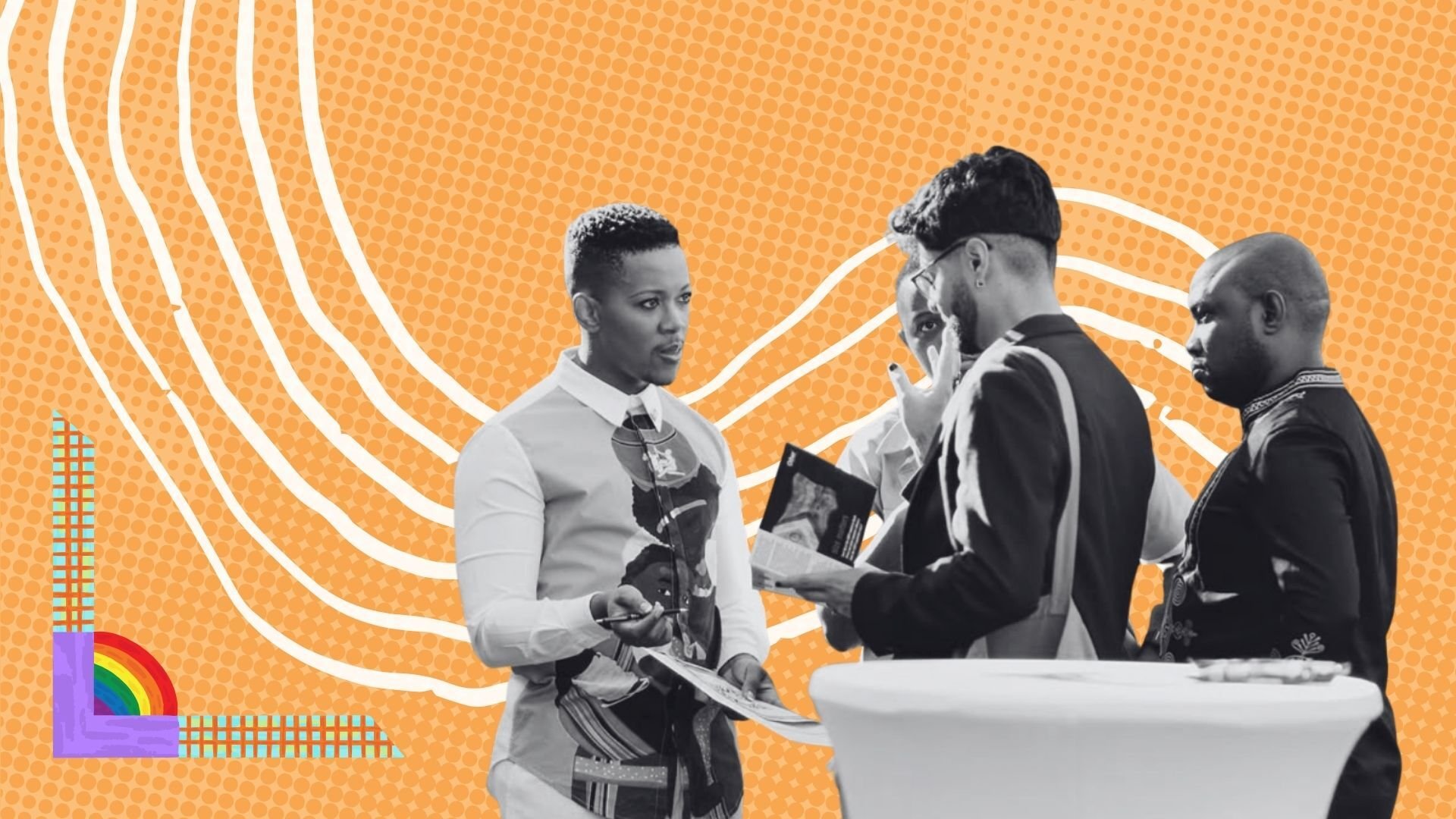
QACC’s recently launched Pride + Prosperity Fund has an innovative blended financial model. It combines catalytic capital (venture philanthropy) with commercial capital to back queer-led initiatives. The not-for-profit Pride Fund provides grants, mentorship, and pre-seed support. The for-profit Prosperity Fund mobilizes debt and equity for scale-ready ventures.
One key factor motivating the Fund was the absence of investment models with tailored support to address the unique risks and challenges faced by the community.
“I’ll give you a perfect example,” offers Chris. “Some of our members are trans, and they’ve gone through existing investment models for small business owners, but because their original identification documents don’t match who they are, they end up failing during the due diligence [process]. With the Pride + Prosperity Fund, we’ve thought about all these different things. We understand the landscape because we’re part of the community, so we are able to better serve these people and still make sure we give them capital so they can grow their businesses in one way or another.”
The organization has already built a pipeline of small and medium-sized businesses and start-ups interested in accessing capital through the Fund. It hopes the Fund can stimulate job creation, nurture inclusion and drive the kind of innovation that slowly challenges social norms about who queer people are.
“By fostering economic growth and empowering queer entrepreneurs, the fund will help create a more inclusive and prosperous Africa,” affirms Chris.
The rainbow road ahead: A self-sustaining queer economy
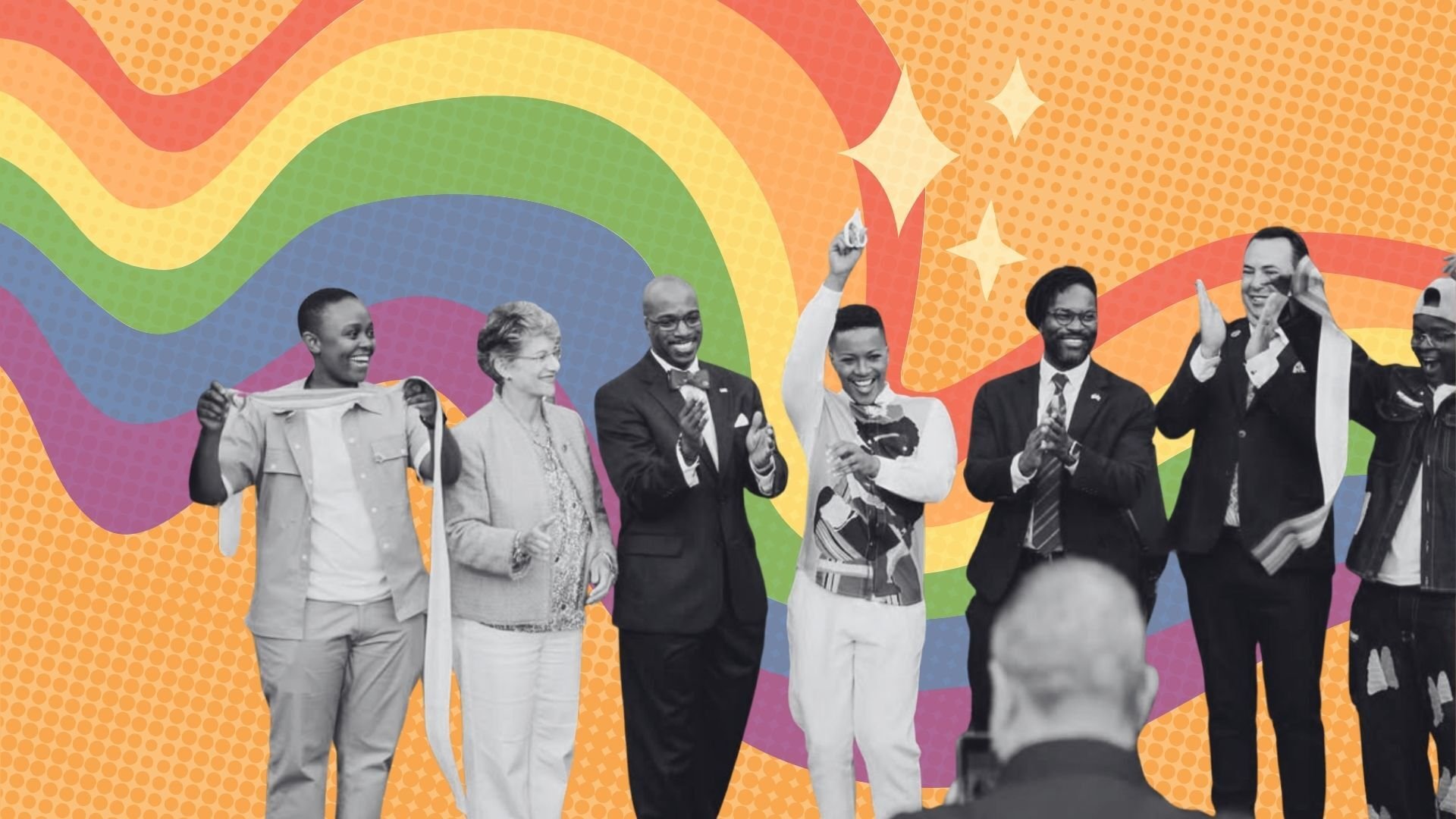
Chris and the team have a big vision: a fully autonomous financial model.
“Me and my co-founders are big dreamers,” they say. “In the next five years, we want to raise US$100 million through the QACC Foundation. After looking at what we’ve done in these three countries within three years, how great would it be to scale within Africa to support more business owners and have a self-sustaining model?”
The QACC Foundation is an affiliated philanthropic legal entity the organization set up, based in the United States. It is a Donor Advised Fund housed within Movement Strategy Centre. The money raised through the foundation would roll out the Pride + Prosperity Fund grants in 20 countries.
By 2040—especially given the current uncertainty in traditional aid and grantmaking—the QACC hopes to be fully self-funded by the queer community.
In the nearer term, the team hopes to establish national chapters in Rwanda and Nigeria by 2026. Securing another US$525,000 in grant funding would help scale its operations, onboard 7,000+ new members, expand procurement pathways across its country offices and disburse catalytic funds to partners.
Chris would also like to see philanthropy go beyond championing only the health and human rights of LGBTQIA+ people in Africa. A strong economic base, they explain, is needed for systemic change in the region.
“Philanthropy remains essential in unlocking the talent and power of the LGBTQ+ community, and can actively create a bridge to greater financial independence and sustainability.”
By scaling the pink economy, QACC and its partners are strengthening collective financial resilience for entire queer communities across Africa.
Notes
- This blog is based on a conversation with Chris Njeri Muriithi of QACC in September 2025, which was jointly hosted by Spring, Human Rights Funders Network, and Solidaire. It was attended by global social and climate justice funders for a discussion on how the philanthropic sector can respond to a post-aid world and nurture different financial models for civil society organizations. To learn more about our public-facing 2025 conversation series on this topic, visit our Reimagining Resilience Library.
- Estimates by QACC.
- A pseudonym.
- Also a pseudonym.