

How FOWODE's strategic finance mindset is igniting new financial futures for women in democracy
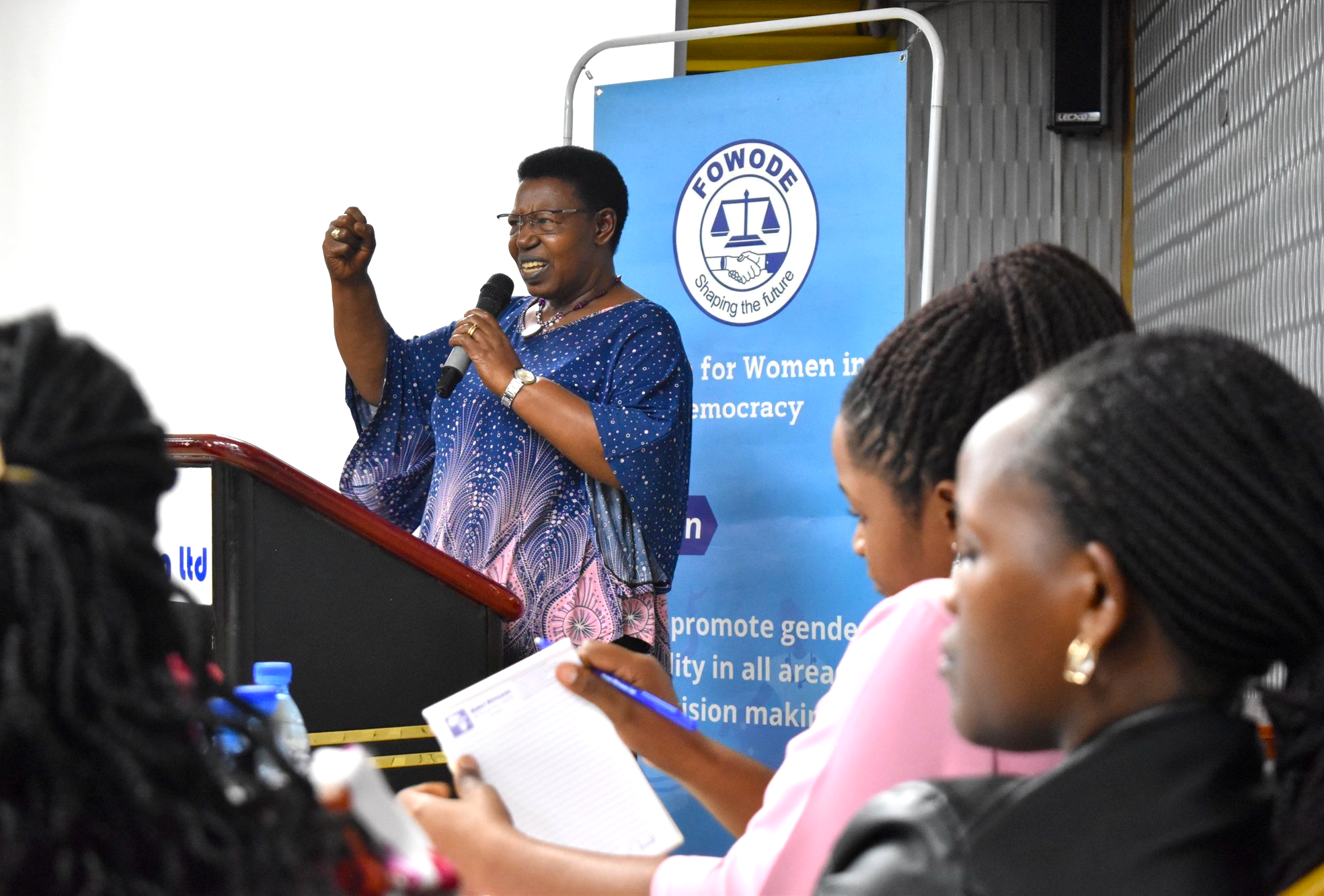
Strengthening Women’s Voice, Leadership, and Participation. Credit: FOWODE.
The Forum for Women in Democracy (FOWODE) is making deep shifts in how it builds financial health as the funding landscape transforms around it.
Based in Uganda, FOWODE has relentlessly pursued a non-partisan path grounded in the Ugandan and African women’s rights movements to build transformative leadership for women’s rights and influence public policy. With roots in the 1994 constitution-making process that resulted in one of Africa’s most gender-sensitive constitutions, FOWODE is now celebrating 30 years of impact.
We first met FOWODE in 2014, when they participated in our Financial Innovation and Resilience (FIRE) which we ran in East Africa. At the time, they were deeply focused on finding their next funding partner and ensuring financial continuity.
Today, their focus is more expansive.
FOWODE went through FIRE again in 2025, as part of an East African cohort of the Ford Foundation's Building Institutions and Networks program. A lot has changed since we met them in 2016.
"The funding landscape has shifted in an enormous way and it'll continue to shift, so we thought it was important to participate in FIRE now," says Executive Director Patricia Munabi Babiiha. "We are still donor dependent, and we think that [the program] is an opportunity to help us diversify our funding."
A foundational part of the FIRE program is the strategic budget, which helps teams easily capture and understand their full annual direct costs (e.g. laptops for an after-school digital rights program) and indirect costs (e.g. the vehicle staff use to get to all the schools to deliver the programs, but that the rest of the organization uses as well). The budget also illuminates how the expenses will be financed. With this tool, an organization can rapidly visualize funding gaps, surpluses and donor dependencies.
Diversifying their funding is an important way for the organization to avoid the vulnerabilities that come with being dependent on just a few donors. The strategic budget, by illuminating indirect and direct costs, can also help organizations improve the quality of the grants they receive.
"We've been able to identify the gaps, and that is very, very important," adds Jane Nakakande, FOWODE's Finance and Administration Director. By reframing "overhead" as "core mission support" that makes their programs possible, Jane and the team are focusing on making sure their conversations with donors and potential donors result in funding that helps recover the full cost of their programs (direct and indirect).
The team is being proactive in other areas of strategic finance, too, including investing intentionally in capital reserves and external communications.
"Resource mobilization and communications are very important. Sometimes, we consider them as [just] another cost but from this training, I realized that communication is very core in resource mobilisation. We have to be very intentional in strengthening our communication and visibility strategy. We further need to grow our organisational reserves to move away from being donor dependent and sustain ourselves" says Jane.
Today, FOWODE is moving forward with this strategic finance mindset to continue leading boldly, inspiring fearlessly and empowering women to rise.
"It lights up a bulb in you," says Patricia about her FIRE experience. "It's like you're going from the unknown. You've seen the light and you're now going into the future because it shows you where you are, the gaps that exist, [and] the possibilities that there are. So for me, FIRE has been illuminating."
Tags:
FIREFebruary 11, 2026